
DEVELOPER • INVESTOR • OPERATOR
DEVELOPER • INVESTOR • OPERATOR




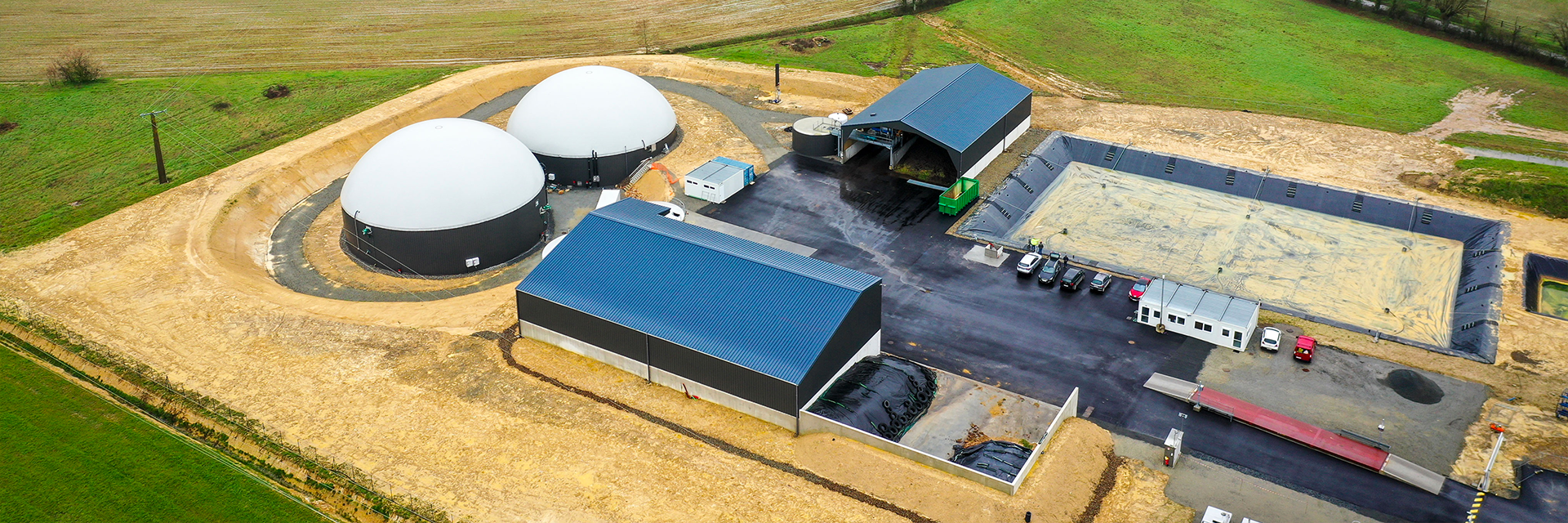
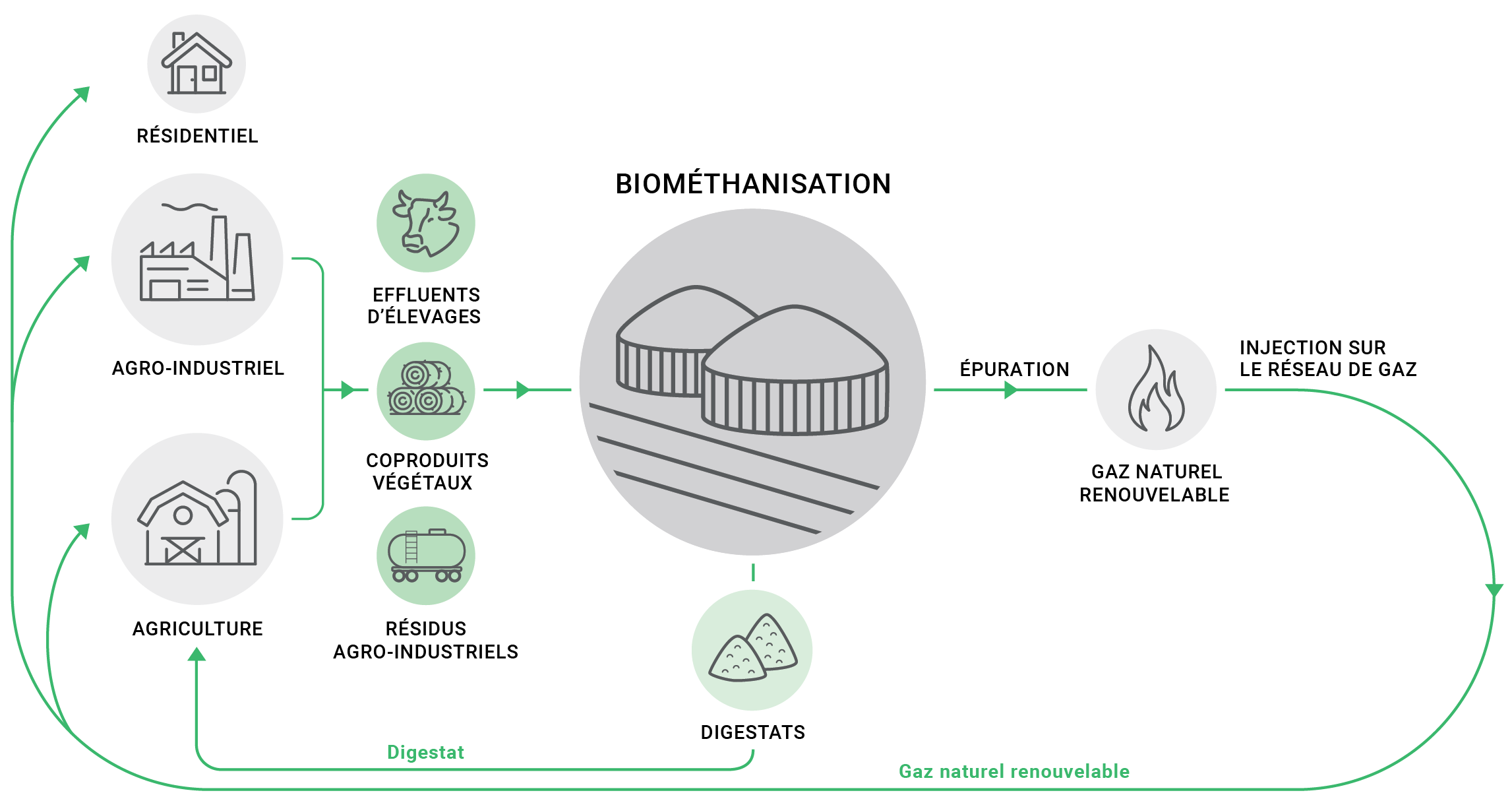
A biological process whereby organic waste is converted into renewable natural gas and fertilizer.
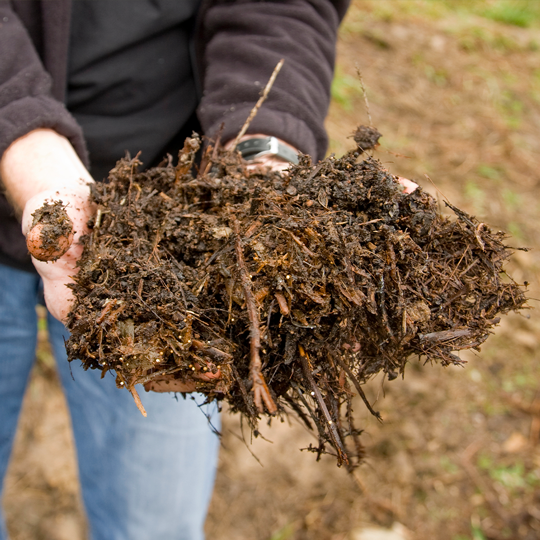
Farm organic residues
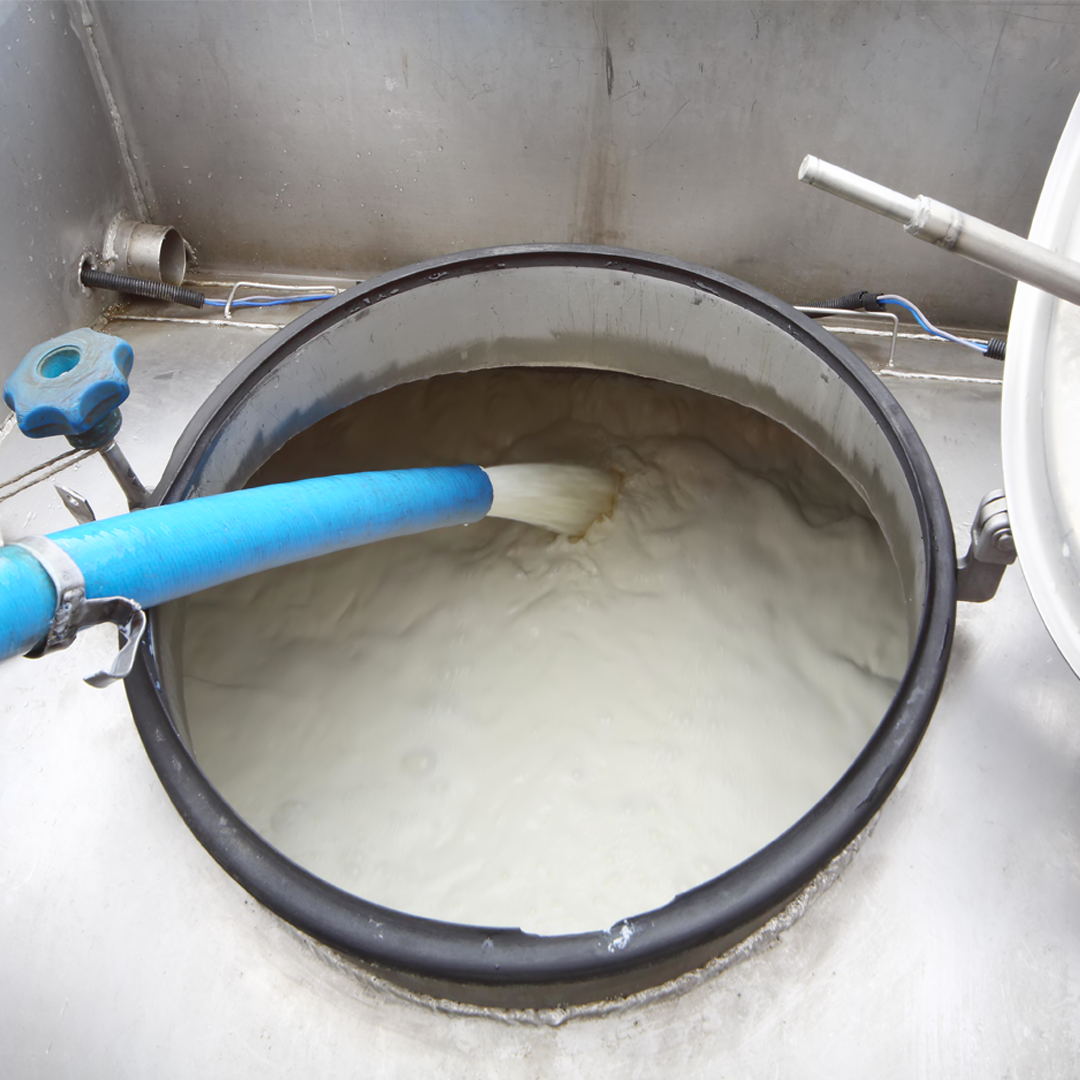
Industrial organic residues
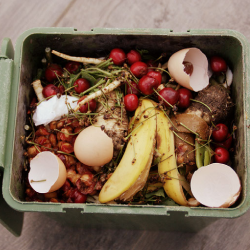
Food residues
A biological process that allows the conversion of organic residues into renewable natural gas (RNG), green energy injected into the gas network.
It fits into a sustainable development and circular economy approach.
Helps to reduce GHG emissions.
A sector encouraged by the Quebec government.
Agricultural Family:
Livestock effluents (manure and slurry),
agricultural plant co-products (cereal chaff, corn stalks, straw, etc.)
Industrial Family: Dairy residues, fats, brewery residues, grain center residues, etc.
Increased fertilizing power (compared to slurry and manure) thanks to nitrogen mineralization.
Reduction of odors and pathogens through digestion.
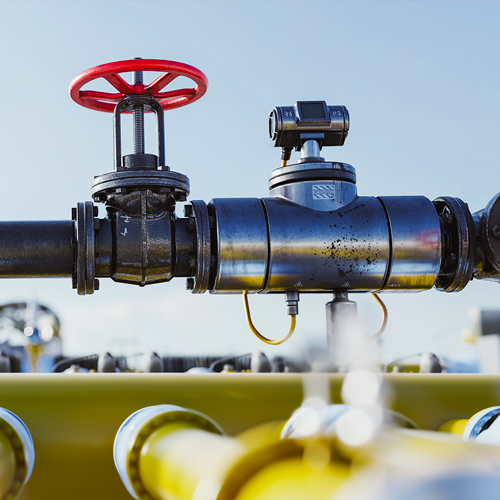
Gas injection
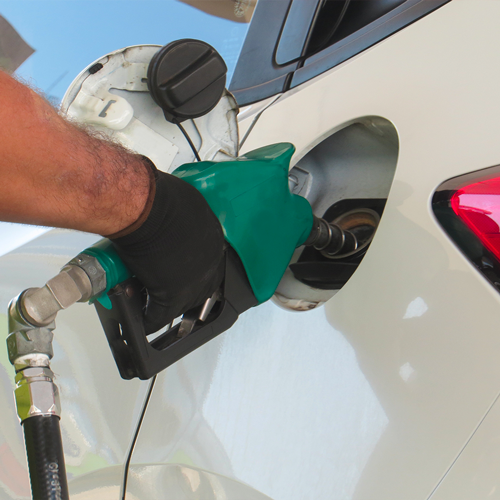
Compressed gas
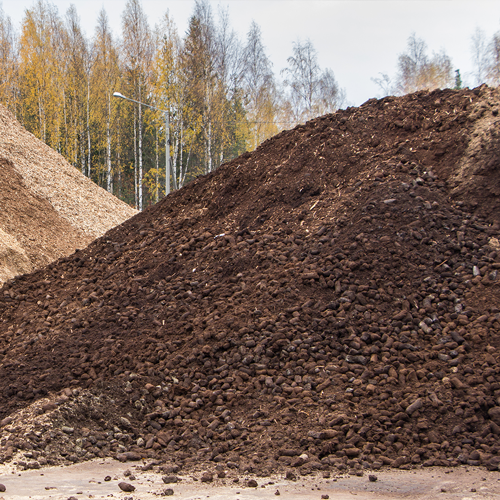
Biofertilizer
The agricultural sector accounts for close to 10% of total GHG emissions in Canada (government source)

Green energy generated from waste

Biomethanation allows for a significant reduction of odors and pathogens

GNR Sales, Business Opportunities, and Fertilizer Savings

Production of digestates with high agronomic value, allowing for the reduction of chemical fertilizers

The recovery of waste as energy and biofertilizer helps close the carbon loop

Creation of lasting local jobs

Replacing fossil gas with GNR (goal of 10% GNR by 2030 in Quebec)
Strong political will to develop bioenergy sources to reduce GHG emissions
Regulatory requirement to inject 10% RGN into gas networks by 2030
Introduction of financial incentives:
Grants for investments
Rising RNG repurchase rate
Compensatory carbon credit for anaerobic digestion of agricultural manure
RNG is part of Canada’s energy policy for reducing its dependence on fossil gas and greening its energy supply
Worldwide goal to inject 20% RNG into systems by 2050 according to the International Energy Agency
Consult the latest publications

543, boul. Sir-Wilfrid-Laurier - Mont-Saint-Hilaire  (Québec) J3H 4X7
Copyright© 2021 KERIDIS BioÉnergie